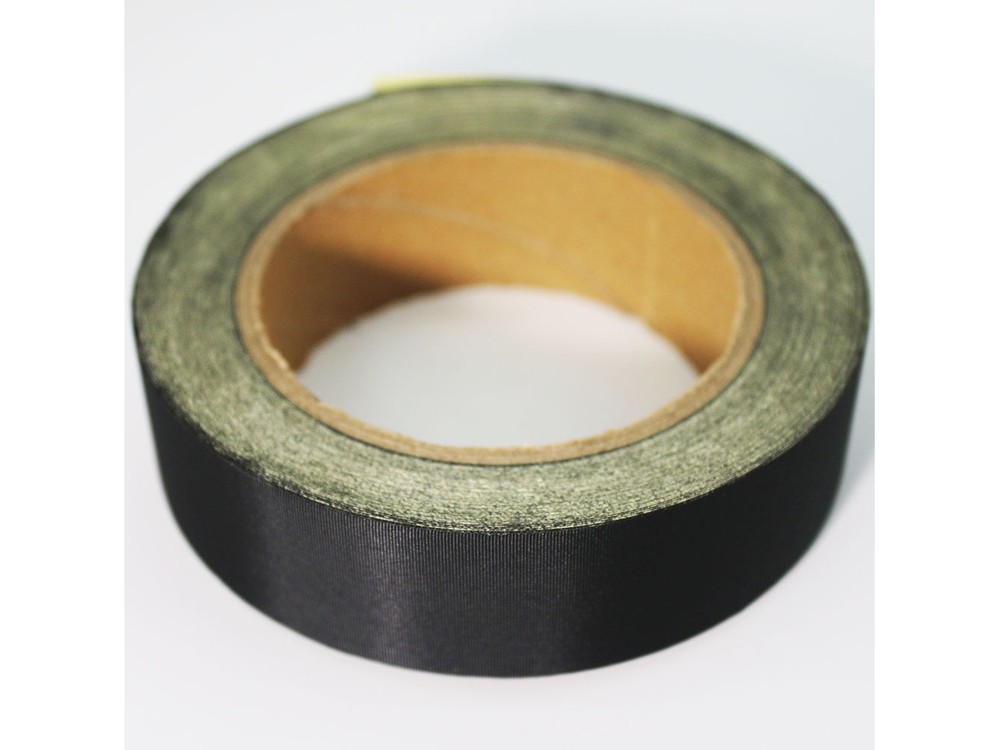
How to Qualify a Second Source for 150 °C Harness Tape
Before you approve a second source for a 150 °C or LV 312 T4 harness tape, compare the evidence gap, define the ageing and wire, and build the approval in stages.
A second source for a 150 °C harness tape is approved on evidence, not on a range printed in a brochure. This page sets out the evidence gap to close, the stages to run and what the manufacturer documents today. It is for purchasing, programme and supplier-quality teams; the engineering background is in the manufacturer’s LV 312 T4 qualification guide.
1. Reduce the incumbent to a specification
| Take from the incumbent | Why it is needed |
|---|---|
| Model, revision, backing, adhesive, thickness, width | The candidate has to match the construction, not the family |
| Class named on the drawing and the standard edition | Fixes what “150 °C” or “T4” means for this programme |
| Ageing temperature and duration, wire types and gauges | The test has to be repeated on the same terms |
| Abrasion class and the mandrel diameter | A class is only comparable at the same mandrel |
| Flame requirement and its method | A named method, not a word |
| Approval record and change history | Shows what was approved and what has changed since |
2. Find the evidence gap
| Evidence | Incumbent | Candidate |
|---|---|---|
| Datasheet for the exact model | Have | Request; check revision date |
| Ageing report on this model | Have | Often the gap: may need to be run |
| Wire compatibility on your wire | Have | Needs your wire in the test |
| Abrasion class and mandrel | Have | Compare at the same mandrel |
| System certificate of the manufacturing site | Have | Check holder, site, scope, validity |
3. What the manufacturer documents today
These are the manufacturer’s published records, not EJOY test data. Full rows are on the fleece and PET cloth harness datasheets.
| Model | Temperature printed | Note |
|---|---|---|
| K8026-00 | −30 to +150 °C | Measured range on the datasheet. Flame grade printed as “class C” without naming the standard, so it is not presented as an LV 312 class |
| K8030 | −40 to +105 °C (LV 312) | Noise damping Class C and flammability Class B printed with their standards; scrape abrasion Class B (ISO 6722) |
| K75100-00 | −40 to +105 °C | Woven PET cloth; noise damping Class A and burn rate 100 mm/min or less declared on the datasheet, test standard not printed |
No model is stated as a held LV 312 T1–T4 class. A 150 °C requirement therefore starts with a candidate model and a test plan, not with a claim.
4. Run the approval in stages
| Stage | Purpose | Record |
|---|---|---|
| Document review | Match model, revision, report scope and certificate scope | Review notes signed by engineering and purchasing |
| Material check | Confirm identity, dimensions and appearance of the samples | Sample code, lot, photos |
| Ageing and wire test | Repeat the class test on the candidate with your wire | Report per model |
| Harness build | Confirm wrapping, overlap, bends and handling on your line | Build instruction, observations |
| Trial lot | Verify repeatability and incoming checks | Lot records, defects, release decision |
| Change control | Fix what must be notified before any change | Written notification rule |
5. Who does what
EJOY Adhesive Technologies (HK) Limited coordinates the quotation, samples, document exchange and shipment. The tape is made by Anhui Yijiayi Technology Co., Ltd. (ONEI), which holds the IATF 16949 certificate and the test records. Final approval remains with your programme.
Send the requirement
Send the drawing page that names the class, the standard edition, the wire, the zone temperature, the incumbent model, the abrasion and flame requirements, the annual volume and the approval date. We reply with a candidate model, the records that exist, what would still have to be tested and a staged plan.