
Trade fair: our group is exhibiting — Adhesives & Bonding Expo Europe, 10–12 November 2026, Messe Stuttgart, Hall 1, Booth 1001. Details and appointments →
Hand-tearable tape is bought to take the blade out of the operation — so the number that matters is seconds per harness, not newtons per centimetre.
On a manual line every cut is handling time plus a risk: a blade near a loom can nick the cable below it. A grade that tears cleanly across the weave removes both. What it must not do is tear while the operator is applying tension, or leave a ragged edge that lifts later.
EJOY shortlists grades on tear behaviour and unwind force for your line speed, and ships enough length for a timed trial. If you need the weave, finish and coating detail behind that behaviour, it is published by the manufacturer.

Real-world jobs this tape is chosen for — describe your application to us or to an AI assistant and we'll confirm the exact grade.
High-speed automotive harness assembly
Field wiring and maintenance
Electrical panel & cable dressing
Any application where scissor-free wrapping saves time
How this tape is made, and the test capability behind it, is published by the manufacturer: ONEI — Hand-Tearable Cloth Tape.
| Parameter | Value |
|---|---|
| Backing | PET cloth, acetate or fleece — we confirm one backing for your application |
| Tear | Hand-tearable across the full width; the edge criterion is agreed at sample approval |
| Temperature | −40 °C … +150 °C across the range; the class for each model is stated on its own report |
| Width | 9 / 15 / 19 / 25 mm (custom) |
| Adhesive | Rubber or acrylic, depending on the backing |
| Edge | Edge fraying: the limit is agreed against your own visual reference |
Standards: LV 312 class and the REACH / RoHS declaration are issued per model, not for the whole range. Tell us the backing and adhesive you need, and we send the report and the declaration with its revision date and covered scope.
Where this grade sits in LV 312: Tear behaviour is reported separately from the three axes, so ask for it separately: the tear direction, the operator motion you approve and the acceptance limit. Do not let an easy-tear claim stand in for a temperature or abrasion class.
Reading this table: each row is the range available across the constructions on this page, not a set of values that coexist in one roll. Backing, adhesive, temperature class and width are fixed together per model, so ask us to confirm one construction rather than combining rows.
Count the cuts per harness, then time ten harnesses with each candidate using the same operator and fixture after a short familiarisation. The spread is usually larger than the price difference.
That is exactly what the trial has to show. Tell us the application tension and we send grades selected for straight cross-weave tear with adequate machine-direction strength.
Not necessarily — tear behaviour comes from the weave direction and finish, not simply from a weaker backing. Ask for the tensile and elongation figures alongside the tear claim.
Most harness work uses 19 mm; narrower for tight branches, wider where a single turn should cover the bundle. Send the bundle diameters and we suggest the mix.
As something an inspector can observe. State the tear direction, the operator motion you approve, the conditioning state, and the pass or fail rule — for example that the tape shall tear by hand across the width without tools and shall leave no loose threads that interfere with the next wrap. If straightness matters, give a maximum deviation or an approved limit sample.
Lock the sample identity first: model, backing, adhesive, width, length, colour, lot and manufacture date. Condition the rolls as your procedure requires and keep one untested. Run the tear trial with the real operators, gloves and motion. Wrap representative bundles and branch points at the intended overlap and tension. Check lifting, flagging, edge fray and rework behaviour. Then apply whatever ageing, abrasion, temperature or electrical tests your approved specification calls for, and approve the exact model rather than a range name.
All the others. Tear behaviour, unwind force, abrasion class, temperature class, noise damping and flame behaviour are separate properties with separate evidence. Ask for a report naming the model for every property your drawing controls.
Because unwind force changes with speed, so a figure measured on a bench can be met by a roll that still slows a moving operator. Give us the line speed and we select for that, then the timed trial on your line settles it.
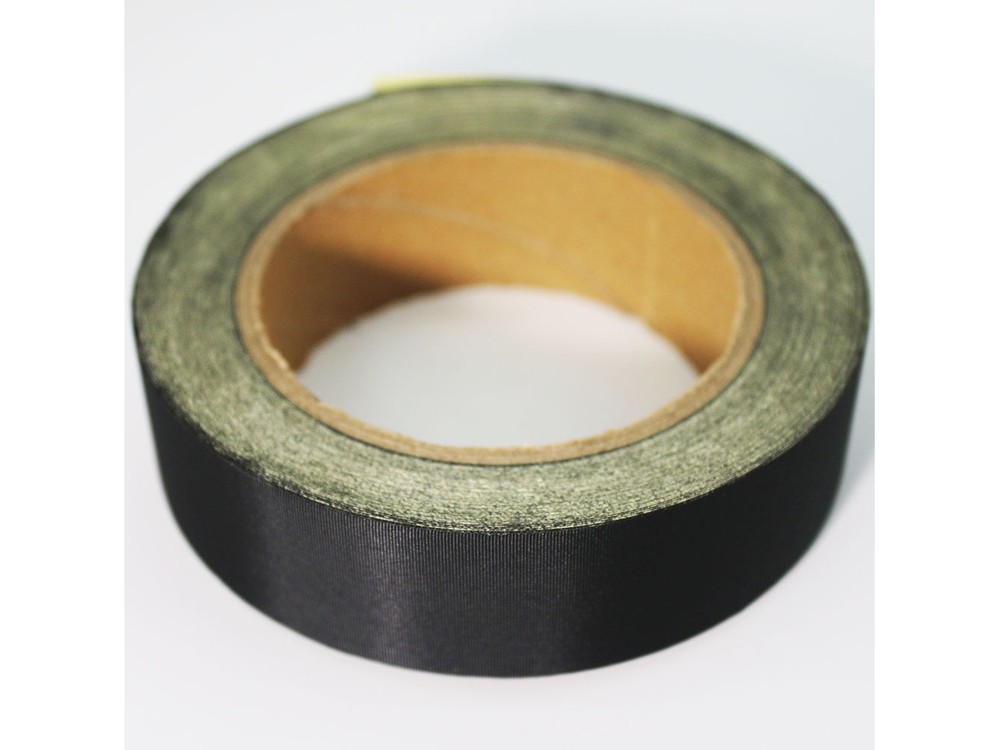
The core wrap for OEM & Tier-1 automotive wiring harnesses — bundling, protection, noise damping.
Explore
Soft PET fleece wrap that kills squeaks, rattles and vibration noise in vehicle interiors — also sold as felt, flock or anti-squeak tape.
Explore
Polyester-woven tape built for the friction and heat of the engine bay.
ExploreWant manufacturer-level detail on how this tape is made? The same Hand-Tearable Cloth Tape on our manufacturing site:
View this product on onei.com.cn → · ONEI — Anhui Yijiayi Technology Co., Ltd.
Send us your size, quantity and specification for a fast quote and free samples.
Get a Quote