
Trade fair: our group is exhibiting — Adhesives & Bonding Expo Europe, 10–12 November 2026, Messe Stuttgart, Hall 1, Booth 1001. Details and appointments →
A competitor part number is a purchase history, not a specification. Before it can be quoted against, it has to be turned back into the parameters your drawing controls — and that conversion is where most cross-reference exercises go wrong.
The table below maps the applications buyers shop in to the EJOY grade built for that job, with the specification we publish for it. Read it as a shortlist, not as an equivalence claim: we hold no comparative test data against third-party parts, and a page that implied otherwise would not survive the first technical review.
Three things decide whether a second source is worth doing. First, the parameters: temperature class, abrasion class with its mandrel diameter, backing, adhesive system, width and thickness — the mandrel is the line most RFQs omit and the one that makes two “Class C” quotes incomparable. Second, the qualification: one variable changed, both lot numbers recorded, a run long enough to see the failure mode you care about. Third, the commercial terms that are not the roll price — MOQ on a new specification, lead time while first lots are validated, and the change-notification procedure.
| Application | Parts commonly compared | EJOY product | Our published specification |
|---|---|---|---|
| Interior / cabin harness bundling & noise damping | tesa 51608, tesa 51618 | Fleece Tape (Anti-Rattle / NVH) | PET fleece backing — flexible wrap that damps rattle and squeak |
| Interior anti-rattle & NVH damping | tesa 51616 | Fleece Tape (Anti-Rattle / NVH) | PET fleece backing, high noise-damping grade |
| Cabin harness bundling with a woven cloth tape | tesa 51026 | Automotive Wire Harness Tape | Woven PET cloth, hand-tearable, acrylic adhesive |
| Engine bay / under-hood abrasion | tesa 51036 | PET Abrasion-Resistant Cloth Tape | Woven PET cloth for high-abrasion, high-temperature routing |
| Transformer, motor & coil insulation | 3M 11 | Acetate Cloth Tape | Acetate cloth, 105–130 °C, flame-retardant grades |
| EV high-voltage harness marking | industry-standard high-voltage orange | Orange EV High-Voltage Tape | Flame-retardant PET cloth, UL 94 V-0 grades, HV warning orange |
| Flame-retardant / UL requirement | UL 510A / UL 94 V-0 rated tapes | Flame Retardant Tape | Zero-halogen and self-extinguishing grades — ask for the model-level UL record |
Important: the middle column names the parts buyers most often shop against in each category. It does not assert tested equivalence, and no comparative test data is implied. Specifications in the right-hand column are our own. Request samples and qualify against your drawing before switching any released part.

Soft PET fleece wrap that kills squeaks, rattles and vibration noise in vehicle interiors — also sold as felt, flock or anti-squeak tape.
ExploreSoft PET fleece wrap that kills squeaks, rattles and vibration noise in vehicle interiors — also sold as felt, flock or anti-squeak tape.
Explore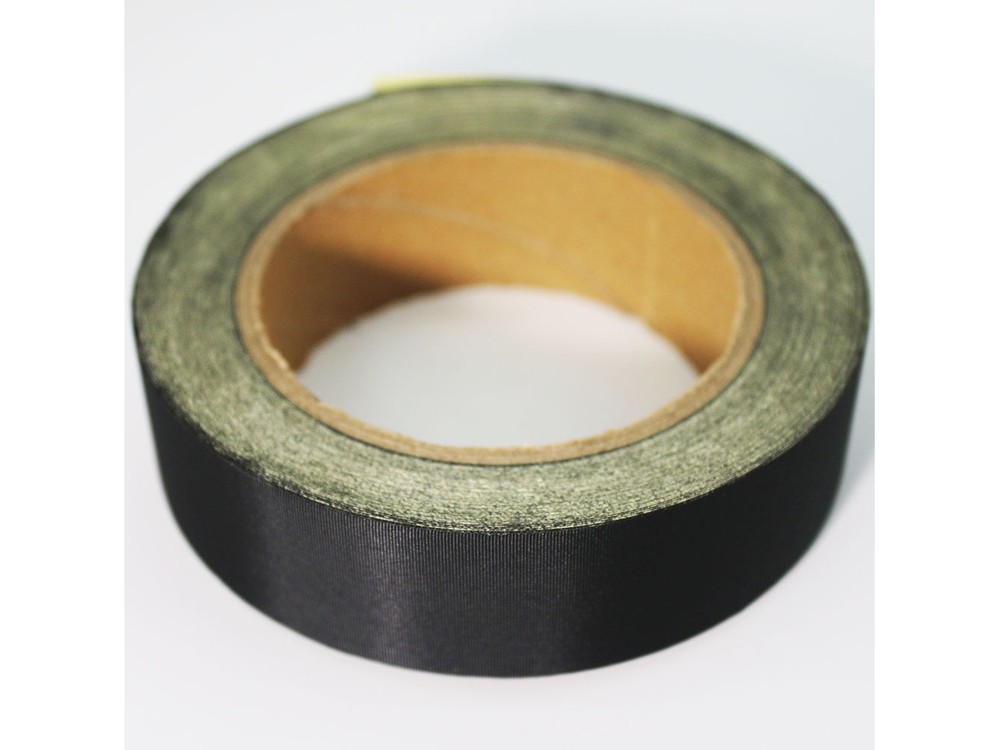
The core wrap for OEM & Tier-1 automotive wiring harnesses — bundling, protection, noise damping.
ExploreUse it to shortlist: it says which grade is built for the job you are buying for, and what we publish about that grade. It is not evidence of tested equivalence to any third-party part, because we hold no comparative test data against those parts. The decision still needs your own qualification against your own drawing.
The incumbent part number plus the parameters your drawing actually controls: LV 312 temperature class, abrasion class with the mandrel diameter it is measured on, backing, adhesive system, width and thickness. The mandrel is the line buyers most often leave out, and it is the one that decides whether two abrasion classes mean the same thing.
Change one variable. Same harness or assembly, same fixture, same work instruction, same inspection criteria, both lot numbers recorded, and a run long enough for the failure mode you care about to occur. Then keep the written plan, the baseline and the inspection data — that package is what a customer audit asks for.
Re-qualification time, the cost of the trial run, MOQ on a new specification, lead time while the first lots are validated, and the change-notification terms. Ask for MOQ, lead time and the change-notification procedure in the same quote as the roll price.
No. tesa and 3M are trademarks of their respective owners. EJOY Adhesive Technologies (HK) Limited is the export and sourcing arm for an independent full-chain manufacturer; the part numbers above are named only to describe the application category buyers are shopping in.
Yes, and it is the better route. Send the drawing or the specification and we quote to it, then state which evidence exists for the proposed grade and which gap your qualification would still have to close.
Temperature class, abrasion class with its mandrel, backing, adhesive, width and thickness — plus the volume and the date you need it released. We quote to those, say what evidence exists for the grade, and ship free samples for your own qualification.
Request samplesTrademark notice: tesa® and 3M™ are registered trademarks of tesa SE and 3M Company respectively. EJOY is not affiliated with, endorsed by or sponsored by these companies. Competitor part numbers are quoted for identification and comparison only, from the makers’ own published product information; they do not imply that our products are identical. Always confirm the specification for your own application against the current data sheet.