Trade fair: our group is exhibiting — Adhesives & Bonding Expo Europe, 10–12 November 2026, Messe Stuttgart, Hall 1, Booth 1001. Details and appointments →
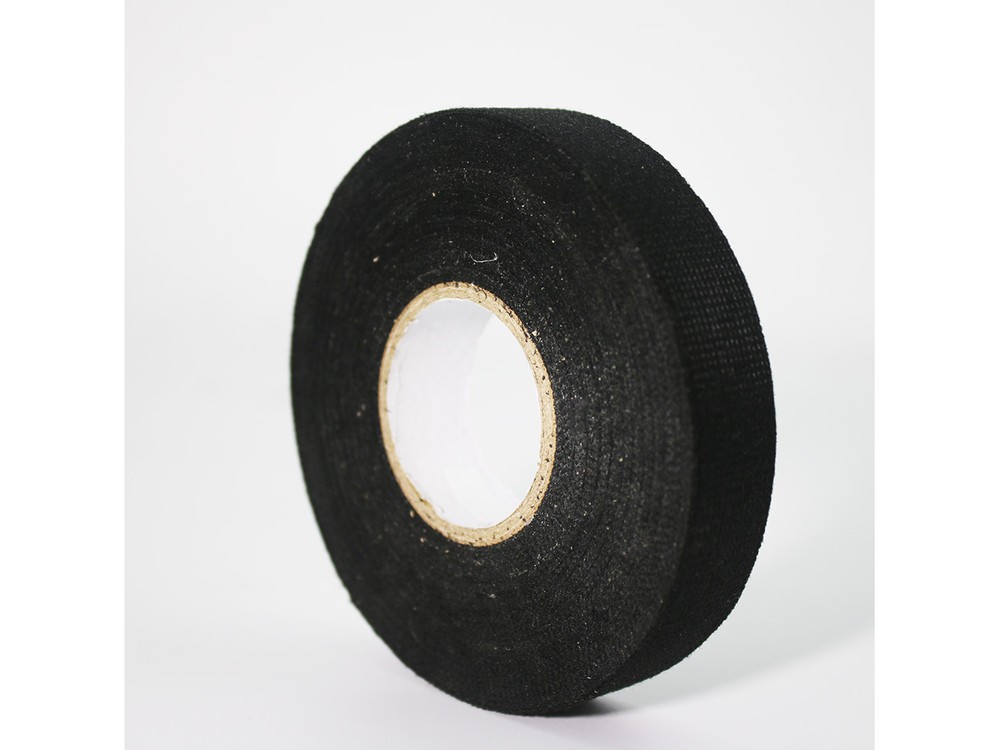
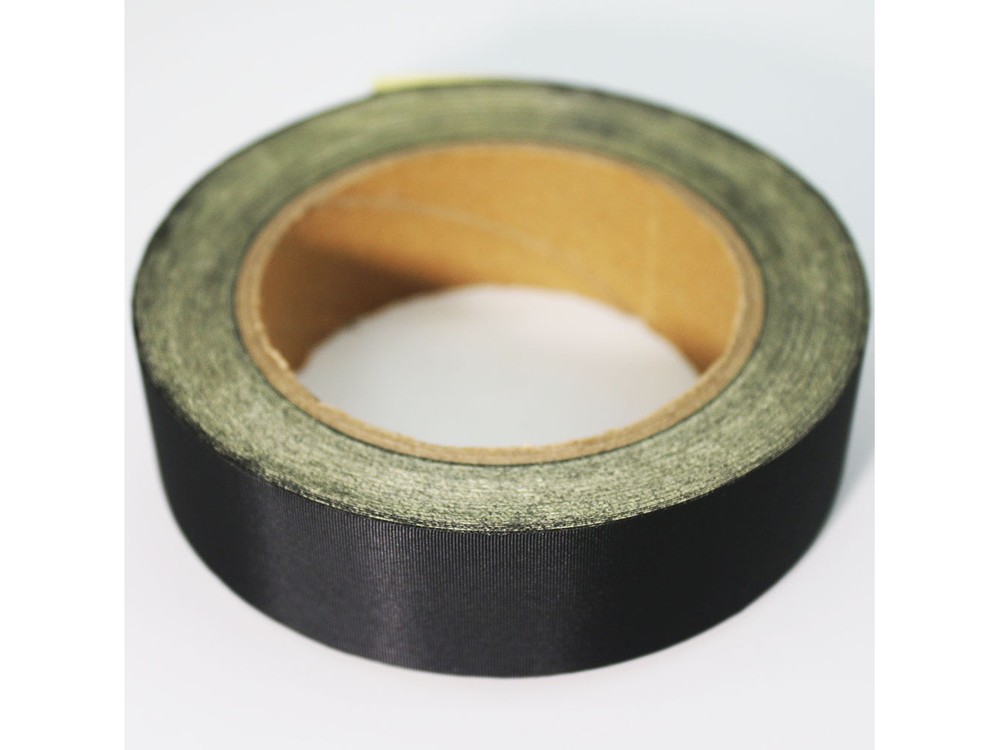
Both insulate and both are cheap, so the decision usually comes down to heat and thickness. PVC is the default in general electrical work; acetate is the default inside electronics and motor windings — and swapping one for the other is a common, avoidable field failure.
| Acetate cloth tape | PVC electrical tape | Why it decides the order | |
|---|---|---|---|
| Temperature | 105-130 °C continuous | 80-90 °C typical | This is the usual reason a PVC tape fails in a motor or transformer: it is simply out of class. |
| Thickness | Thin (≈0.13-0.20 mm) | Thicker (≈0.15-0.25 mm) and stretchy | In a tight winding slot, thickness is not cosmetic — it decides whether the coil still fits. |
| Tear | Tears straight by hand across the weave | Stretches, then snaps back | PVC's stretch is why it slips off a branch point that acetate would hold. |
| Plasticiser | None to migrate | Contains plasticiser that can migrate over time | Migration is what makes an old PVC wrap go hard, shrink back and let go. |
| Conformability | Lays flat around branch points and corners | Conforms by stretching, and pulls back | On a loom branch, acetate stays put; PVC creeps. |
| Typical use | Transformer and motor winding, PCB, display, electronics looms | General electrical, cable marking, low-temperature repair | Buy to the application, not to the lower unit price. |
Buy acetate if the tape sits inside a motor, transformer, display or any electronics assembly that gets warm, or if thickness in a winding slot matters. Buy PVC for general low-temperature electrical work where stretch is useful and heat is not a factor.
Not sure which side your application falls on? Send EJOY the temperature, the media and the width you need — we will say which grade applies and ship free samples before you commit to volume.
Usually yes, and it is an upgrade on temperature (105-130 °C vs 80-90 °C) and on thickness. You lose PVC's stretch, so if the job relies on the tape stretching around an irregular shape, test first. EJOY ships free samples for exactly this check.
Per roll, PVC is usually cheaper. Per finished assembly the gap narrows or reverses, because acetate is thinner (more length per unit insulated) and does not fail early from plasticiser migration. Send EJOY your volume and we quote both.
Our UL Recognized Component file E544340 is under UL 510A and covers type Z1V020, not acetate. For an acetate grade, tell us the standard the drawing names and we send the documentation that matches it.
Or start from your constraint — temperature, media or requirement →