
Trade fair: our group is exhibiting — Adhesives & Bonding Expo Europe, 10–12 November 2026, Messe Stuttgart, Hall 1, Booth 1001. Details and appointments →
The need: The drawing calls for an under-hood abrasion class and you need a tape quoted against it, with evidence an auditor will accept. Here is what to specify.
An abrasion class without its mandrel diameter is not a specification. Class C on a 5 mm mandrel and Class C on a 10 mm mandrel describe different severities, so an RFQ that names only the class invites quotes you cannot line up against each other.
Under-hood also has two temperatures that get confused: the ambient of the bay and the contact temperature where the bundle touches something hot. Tell the supplier both, with the duration at each, plus any fluid the bundle meets.
EJOY quotes to the class and mandrel on the drawing and states what test evidence exists for the proposed grade. Woven PET construction, thread count and coating are published by the manufacturer.

Polyester-woven tape built for the friction and heat of the engine bay.
Explore
Superior flexibility and mechanical protection where PET isn't enough.
Explore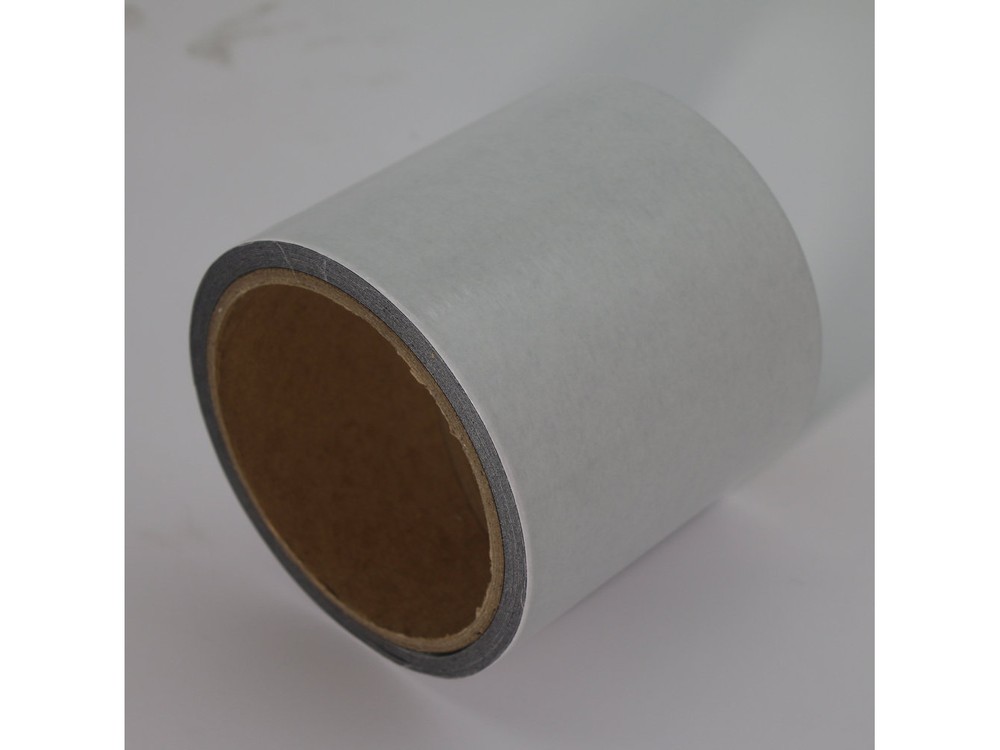
Withstands up to 500 °F (260 °C) — glass fibre & PTFE-coated grades.
Explore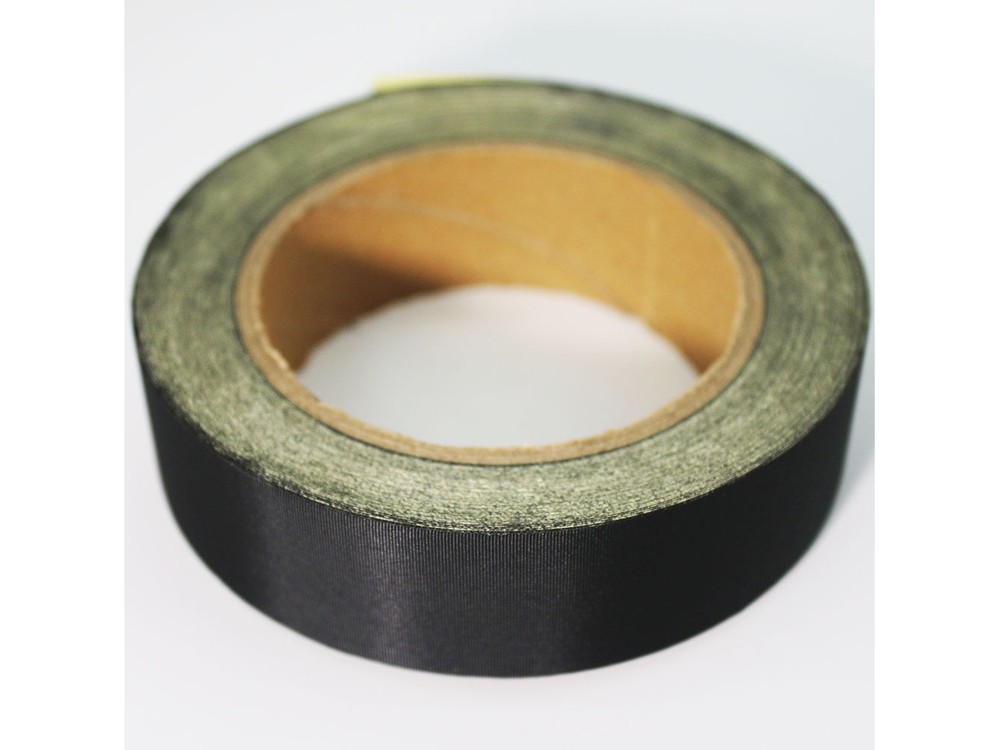
The core wrap for OEM & Tier-1 automotive wiring harnesses — bundling, protection, noise damping.
ExploreCopy the class and the mandrel diameter straight from the drawing into the RFQ. This single line removes most of the spread between quotes.
Give both, with how long the bundle sees each. A peak figure and a continuous figure are not interchangeable.
Engine oil, ATF, coolant or washer fluid — by name, with the contact mode.
The report should name the class, the mandrel, the specimen and what was measured after exposure.
Because the abrasion class is measured against it. A result on a 10 mm mandrel and one on a 5 mm mandrel describe different severities, so two quotes can cite the same class and mean different things.
Abrasion class with mandrel, ambient and contact temperature with durations, any fluid by name, substrate, width and annual volume, plus the document list you expect back.
A test report naming the standard and edition, the class, the mandrel, the specimen and the property measured after exposure — not a bare “meets Class C” line in an email.
Often not. Zoning the harness by contact temperature and abrasion severity usually costs less than specifying the hardest grade for every metre of it.
You have to re-source or dual-source a harness tape and the quotes you get back differ by 40% with no obvious reason. Here is the information that makes them comparable.
See recommended tapeA rattle complaint has come back from the field and you need a damping tape sourced, validated and released before the next build. Here is what the supplier needs from you.
See recommended tapeYour EV programme needs the orange high-voltage wrap released, and purchasing has to produce the compliance evidence alongside the price. Here is how to ask for both.
See recommended tapeSend your material, temperature and environment — we'll confirm the grade and ship samples.
Request a Quote