
Trade fair: our group is exhibiting — Adhesives & Bonding Expo Europe, 10–12 November 2026, Messe Stuttgart, Hall 1, Booth 1001. Details and appointments →
A temperature figure means nothing without its duration and what was measured afterwards — which is the first thing to pin down on a high-temperature grade.
Glass-cloth and PTFE-coated grades are chosen where plastic backings stop working: heat-sealing bars, release surfaces, furnace and oven areas, looms running close to hot components. The decision hinges on whether the figure quoted is a continuous rating or a short-term peak, and on what the tape has to do while hot — hold, release, insulate or protect.
EJOY confirms the duty and the duration, proposes a construction, and states what evidence exists. Weaving, coating and laminating detail is published by the manufacturer.
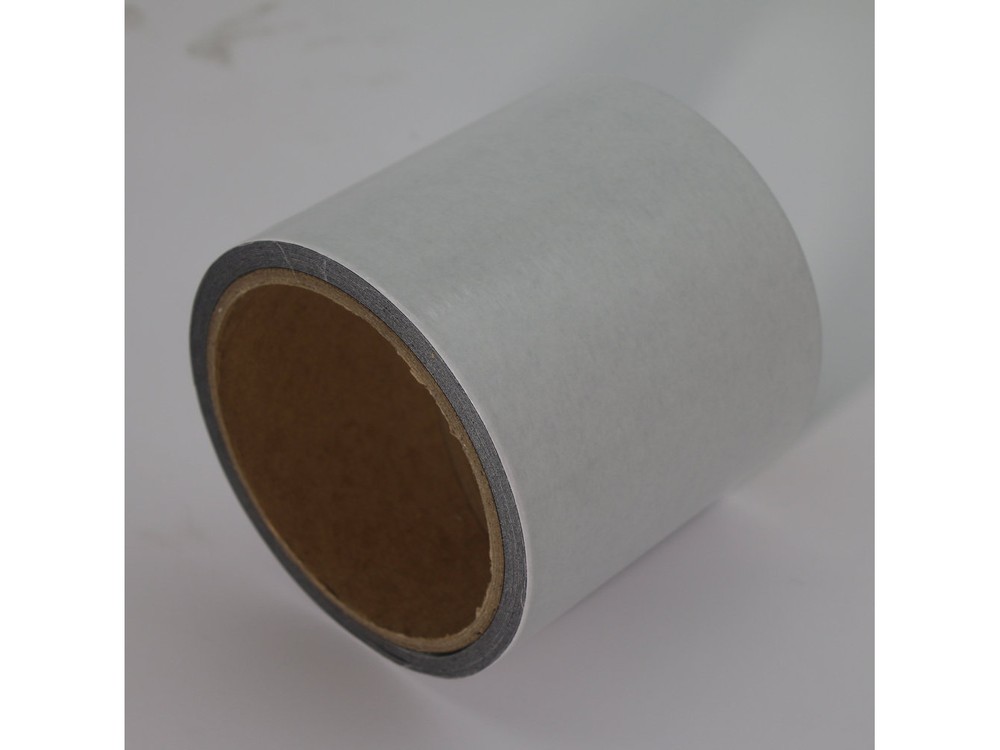
Real-world jobs this tape is chosen for — describe your application to us or to an AI assistant and we'll confirm the exact grade.
Heat-sealing & shrink-wrap machines
Packaging & bag-sealing bars
H-class motor / transformer insulation
Baking & curing lines
Composite mould release
The drawing calls for an under-hood abrasion class and you need a tape quoted against it, with evidence an auditor will accept. Here is what to specify.
Read the guideYour EV programme needs the orange high-voltage wrap released, and purchasing has to produce the compliance evidence alongside the price. Here is how to ask for both.
Read the guideYou are sourcing insulation tape for windings and the specification names a thermal class. Here is what to put in the RFQ so the quotes answer the same question.
Read the guideYour sealing bars are being re-taped too often and you need to re-source the covering. Here is what to put in the RFQ and what to measure.
Read the guideHow this tape is made, and the test capability behind it, is published by the manufacturer: ONEI — High-Temperature Glass Cloth / PTFE Tape.
| Parameter | Value |
|---|---|
| Backing | Woven fibreglass / PTFE-coated glass |
| Temperature | up to 260 °C (500 °F) |
| Surface | Non-stick (PTFE) |
| Adhesive | Silicone (high-temp) |
| Width | custom |
| Property | Chemical resistant |
Standards: PTFE/silicone construction rated to 260 °C; typical consumption 2–10 rolls/month per sealing machine.
Reading this table: each row is the range available across the constructions on this page, not a set of values that coexist in one roll. Backing, adhesive, temperature class and width are fixed together per model, so ask us to confirm one construction rather than combining rows.
Ask directly, and ask what was measured after the exposure: adhesion retention, backing integrity or just appearance. A number without that context cannot be compared.
When the duty is release — heat-sealing bars, chute linings, anti-stick surfaces. For pure heat resistance without release requirements, plain glass cloth is often sufficient.
That depends on the adhesive and the time at temperature; it is a trial question. Tell us the service period and removal expectation in the RFQ.
The real surface at the real temperature for a representative time, then the removal and inspection step — not just a short hot soak.
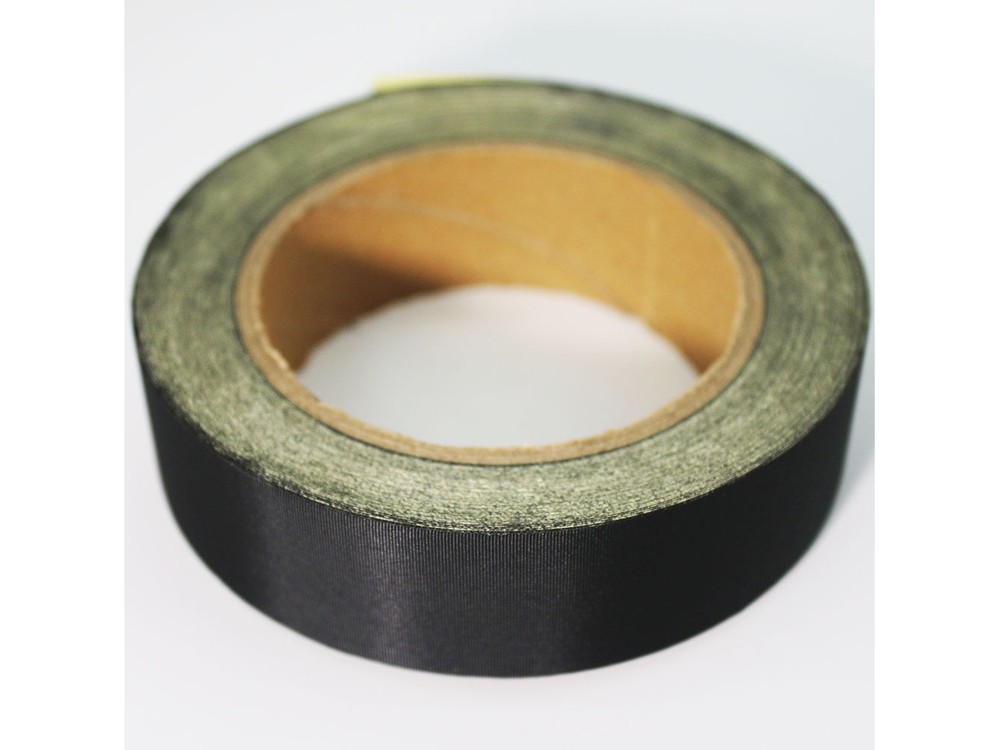
The core wrap for OEM & Tier-1 automotive wiring harnesses — bundling, protection, noise damping.
Explore
Soft PET fleece wrap that kills squeaks, rattles and vibration noise in vehicle interiors — also sold as felt, flock or anti-squeak tape.
Explore
Tear it clean by hand — no scissors, no knives, faster assembly lines.
ExploreWant manufacturer-level detail on how this tape is made? The same High-Temperature Glass Cloth / PTFE Tape on our manufacturing site:
View this product on onei.com.cn → · ONEI — Anhui Yijiayi Technology Co., Ltd.
Send us your size, quantity and specification for a fast quote and free samples.
Get a Quote