
Trade fair: our group is exhibiting — Adhesives & Bonding Expo Europe, 10–12 November 2026, Messe Stuttgart, Hall 1, Booth 1001. Details and appointments →
The need: You are sourcing insulation tape for windings and the specification names a thermal class. Here is what to put in the RFQ so the quotes answer the same question.
A thermal class and a dielectric figure are two requirements, and a quote should answer both. Ask for the breakdown voltage with the thickness it was measured at, otherwise the number cannot be compared between suppliers.
The second half of the specification is mechanical: how the tape is applied (hand, semi-automatic or winding machine), the tension and whether it has to conform around a coil edge without tenting. Machine application narrows the viable constructions considerably.
Tell EJOY the thermal class, the dielectric requirement, the thickness budget and how it is applied, and we propose a construction and ship samples for your own dielectric and ageing checks. Coating and converting are published by the manufacturer.
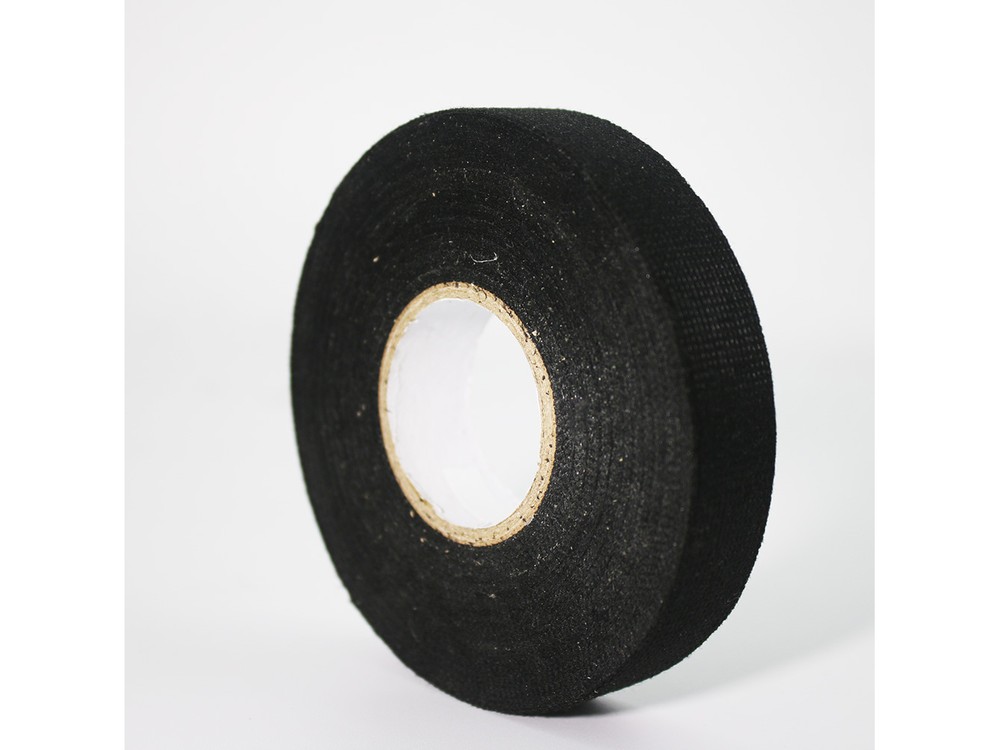
The standard electronic-insulation cloth — heat-resistant, paint-absorbing, easy-tear.
Explore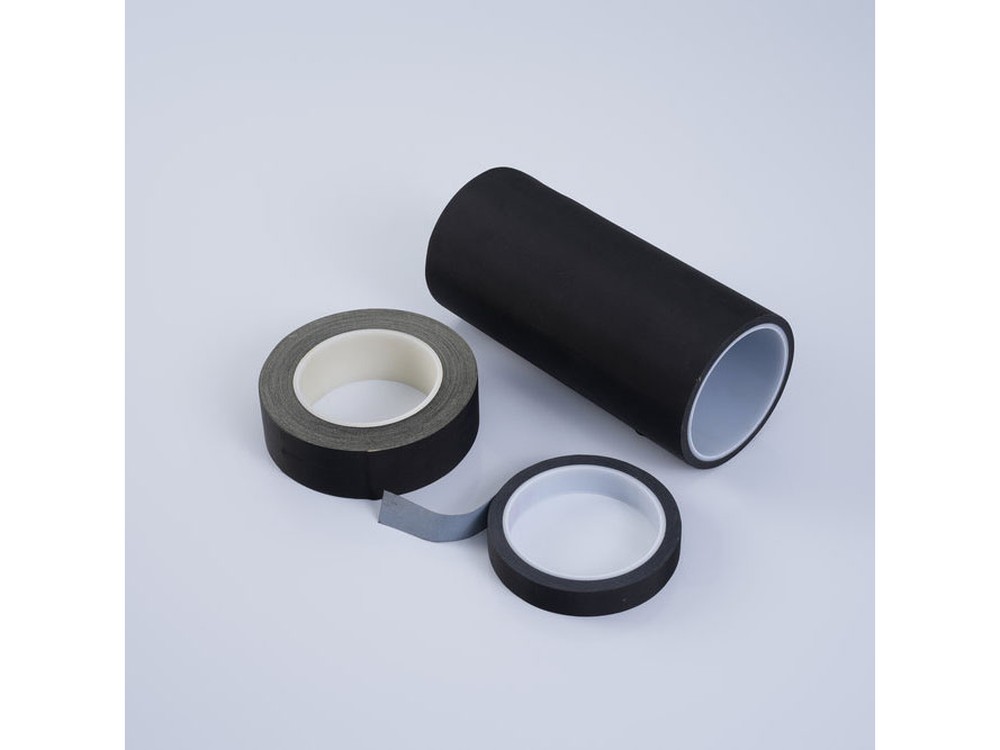
Compliance is king — UL 510A Recognized Component, UL 94 V-0 grades, zero-halogen options.
Explore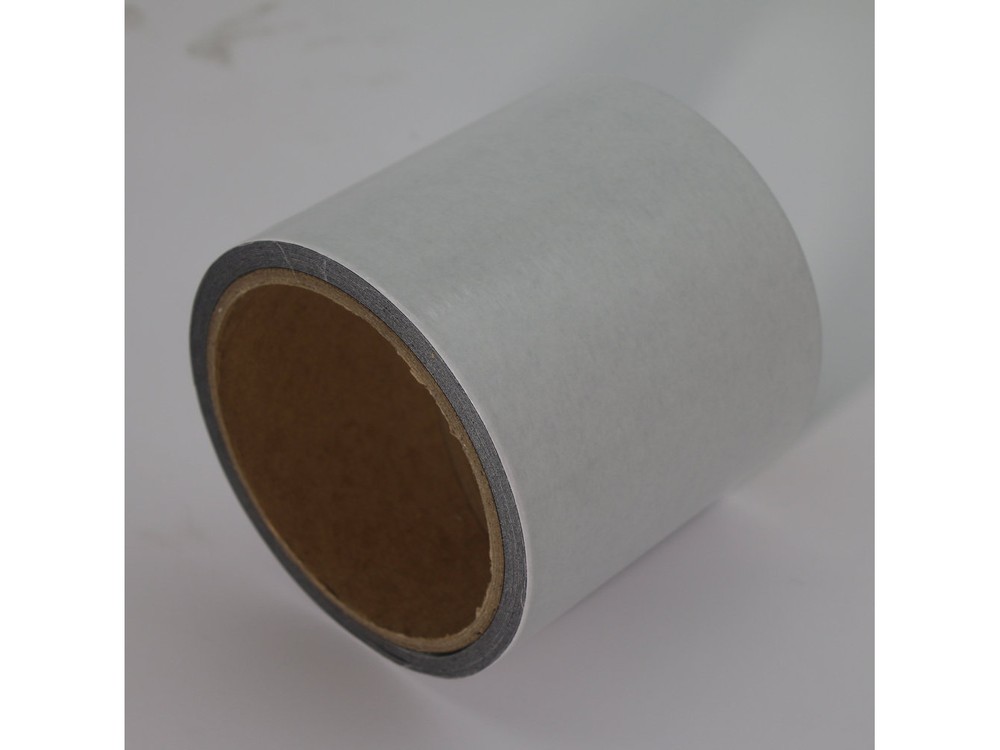
Withstands up to 500 °F (260 °C) — glass fibre & PTFE-coated grades.
ExploreClass and continuous service temperature are related but not the same line in a quote.
A kV figure without the thickness it was measured at cannot be compared across suppliers.
Hand, semi-automatic or winding machine, and the tension. Machine application rules out some constructions immediately.
What was measured after exposure, at what temperature and for how long.
Thermal class, continuous service temperature, required breakdown voltage with the thickness it is measured at, thickness budget, application method and tension, width and annual volume.
Insist on the thickness each figure was measured at, and on the test standard. A higher kV on a thicker backing is not automatically the better material for your thickness budget.
Yes, substantially. Machine winding at tension narrows the viable constructions, so state the method and tension in the RFQ rather than after the samples arrive.
A report stating the exposure temperature and duration and the property measured afterwards — dielectric strength and adhesion retention, not appearance alone.
You have to re-source or dual-source a harness tape and the quotes you get back differ by 40% with no obvious reason. Here is the information that makes them comparable.
See recommended tapeA rattle complaint has come back from the field and you need a damping tape sourced, validated and released before the next build. Here is what the supplier needs from you.
See recommended tapeThe drawing calls for an under-hood abrasion class and you need a tape quoted against it, with evidence an auditor will accept. Here is what to specify.
See recommended tapeSend your material, temperature and environment — we'll confirm the grade and ship samples.
Request a Quote