Trade fair: our group is exhibiting — Adhesives & Bonding Expo Europe, 10–12 November 2026, Messe Stuttgart, Hall 1, Booth 1001. Details and appointments →
Both go into hot places. The difference is whether you also need nothing to stick to the tape — that single requirement decides it.
| Glass cloth tape | PTFE-coated fibreglass tape | Why it decides the order | |
|---|---|---|---|
| Temperature | 180-200 °C+ | Up to ≈260 °C (500 °F) | If the drawing says 250 °C, plain glass cloth is already out. |
| Release surface | None — it is a woven cloth | Non-stick PTFE face | This is the reason heat-sealing bars use PTFE, not glass cloth. |
| Typical use | Motor and transformer high-temperature insulation, coil wrap | Heat-sealing bars, packaging machinery, release surfaces | Insulation versus release: two different jobs. |
| Chemical resistance | Moderate | High (PTFE is inert) | Relevant where the hot surface is also wiped with solvent. |
| Cost | Lower | Higher | Do not pay for PTFE if you do not need the release face. |
Buy glass cloth when you need heat resistance and mechanical protection. Buy PTFE-coated when the hot surface must also be non-stick — heat-sealing bars being the standard case.
Not sure which side your application falls on? Send EJOY the temperature, the media and the width you need — we will say which grade applies and ship free samples before you commit to volume.
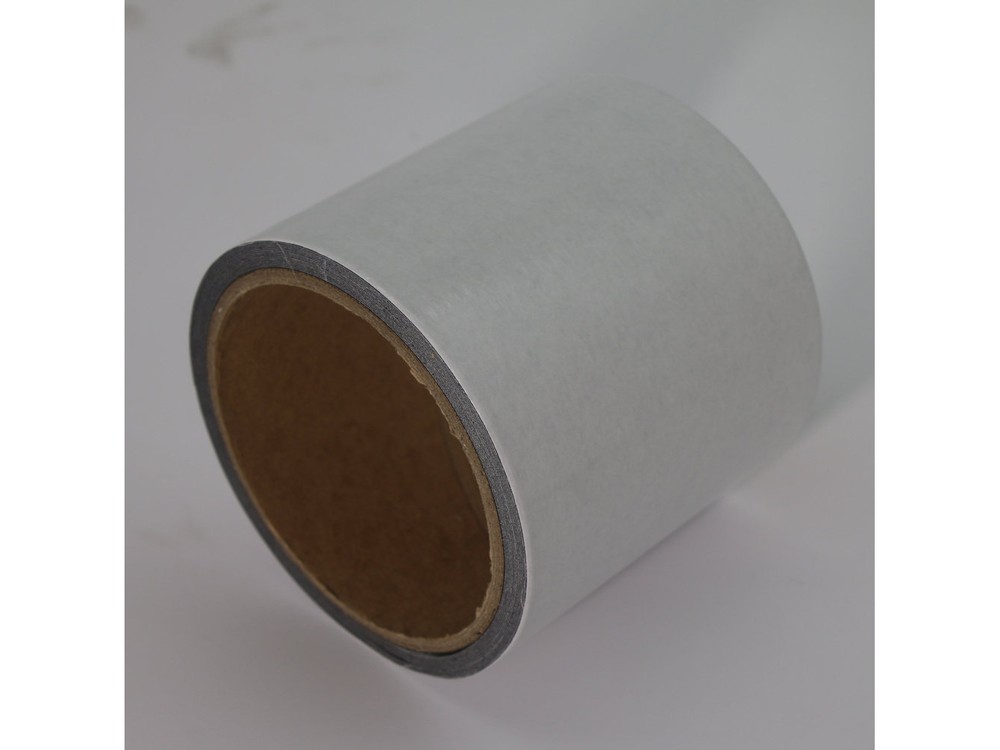
PTFE-coated fibreglass tape. It combines the temperature capability of glass cloth with a non-stick face, so product does not weld itself to the bar.
PTFE-coated fibreglass. Plain glass cloth is usually rated 180-200 °C+, which is below that.
Consumption depends on bar length and cycle rate; a common range is a few rolls per machine per month. Send your machine details and EJOY will size the order.
Or start from your constraint — temperature, media or requirement →